High-Floor Vs Low-Floor Apartments: Price and View Explained
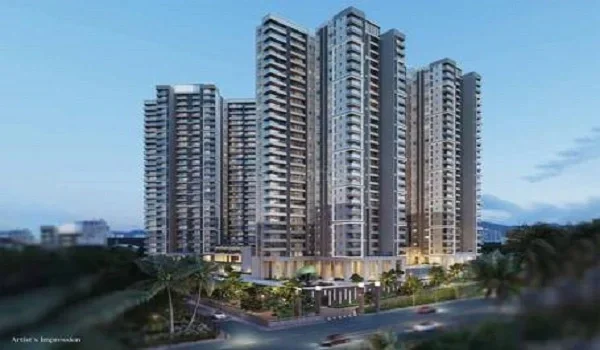
Featured Image of High-Floor Vs Low-Floor Apartments: Price and View Explained


High-Floor Vs Low-Floor Apartments: Price & View Explained comes down to a trade-off between cost and outlook. High-floor homes cost more because of floor-rise charges. In return, they offer wider views, more light and less street noise. Low-floor homes cost less, give quicker access to gardens and suit seniors and families with small children. The right choice depends on your budget, lifestyle and how long you plan to stay.

This choice matters even more in tall towers. At Brigade Autograph, Brigade Group's 21-acre township in Konadasapura, each of the 7 towers rises to 48 floors. This page explains the price logic and the pros and cons of each level. It also shows how to pick the right floor.
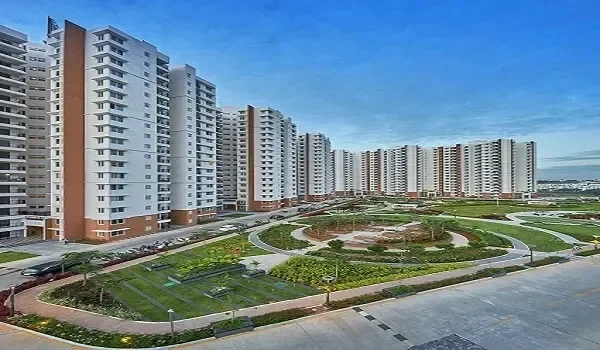

High Floor vs Low Floor at a Glance


Factor High Floor Low Floor
Price Higher, due to floor-rise charges Lower base cost
View Wide skyline and open views Garden or podium views
Light and breeze More natural light and airflow Less light, may face other blocks
Noise and dust Lower street noise and dust More exposure to ground activity
Lift dependence High Low, stairs work in a pinch
Best for View lovers, professionals, investors Seniors, young children, budget buyers

How Floor Level Affects Price


Many developers in Bengaluru charge a floor-rise premium for homes on higher levels. This charge adds a set amount per square foot for each floor above a certain level. So the same layout costs more on the 40th floor than on the 5th.

At Brigade Autograph, a 1 BHK starts at ₹1 Crore and a 4 BHK at ₹3.50 Crore. The final price of each unit depends on the tower, floor and view. Ask the sales team for the floor-rise charges and the full cost sheet for your shortlisted floors.

The Case for a High Floor


High floors offer some clear lifestyle benefits.

  • Wide views across the Whitefield and Hoskote belt.
  • More natural light through the day, which can lower power use.
  • Better breeze and less dust from ground-level traffic.
  • Less street noise, which helps sleep and work-from-home days.
  • More privacy, as fewer homes look directly into yours.

High floors also tend to hold strong resale appeal. Buyers often pay a premium for a good view and a quiet home.

The Case for a Low Floor


Low floors have strengths of their own, and many families prefer them.

  • A lower price, which keeps your loan and EMI smaller.
  • Quick access to gardens, play areas and the clubhouse.
  • Less reliance on lifts, which helps elderly members and children.
  • Easier and faster exit in an emergency.
  • A closer connection to greenery, especially in garden-facing units.

At Brigade Autograph, about 80% of the 21-acre land stays open with landscaped gardens. So a low-floor home facing the inner gardens can feel calm and green.

Mid Floors: A Smart Middle Path


Mid floors often give you the best of both sides. They rise above ground noise and dust while costing less than the top floors. Many mid-floor homes still get good light and partial views.

If you cannot decide, shortlist a mid-floor unit facing the gardens. This choice suits most families and investors well.

Weather, Heat and Wind on Different Floors


Floor level also changes how a home feels through the seasons. Top floors catch more breeze, which helps on warm Bengaluru afternoons. They can also face stronger winds during the monsoon, so balcony doors and windows need good seals.

Low floors stay a little cooler and more sheltered. However, they may get less sunlight if other towers stand close by. Check the sun path for your tower side before you choose.

Safety in High-Rise Towers


Safety matters at every level, but buyers ask more about it for tall towers. At Brigade Autograph, the towers use an RCC frame with shear wall technology. They also follow an earthquake-resistant design, which adds safety on every floor.

High-rise towers also need fire safety systems, refuge areas and multiple lifts. Ask the sales team about these features and the lift count for your tower.

How to Choose the Right Floor


Use these steps to make a clear choice.

  • Set your budget, including any floor-rise charges.
  • Decide what matters most to you: view, price, access or quiet.
  • Think about the ages and needs of everyone in your home.
  • Check the tower's facing and what each side overlooks.
  • Visit the model apartment and ask to see views from the site, if possible.

Floor Choice and Rental Value


Tenants also weigh floor level when they choose a home. Young professionals often prefer higher floors for views and quiet. Families with small children may prefer lower floors for easy access.

Near Whitefield, demand stays strong across both groups. ITPL is 9.9 km from Brigade Autograph, and the township's amenities appeal to tenants at every level.

Project Facts to Keep in Mind


Brigade Autograph sits on Whitefield-Kadugodi Road in Konadasapura, opposite VIBGYOR High School. Old Madras Road (NH 75) is just 750 metres away. The project holds Karnataka RERA number PRM/KA/RERA/1251/446/PR/071126/009091. It launches on 15 November 2026 and plans possession on 15 July 2032.

Frequently Asked Questions


1. Are high-floor apartments more expensive?

Yes, high-floor homes usually cost more because of floor-rise charges. Ask the developer for the exact charges for each floor you shortlist.

2. Which is better, a high floor or a low floor?

A high floor suits buyers who value views, light and quiet. A low floor suits seniors, young children and buyers on a tighter budget.

3. How many floors do Brigade Autograph towers have?

Each of the 7 towers at Brigade Autograph rises to 48 floors over 4 basement levels.

4. Is it safe to live on a high floor at Brigade Autograph?

The towers use RCC frames with shear walls and an earthquake-resistant design. Ask the team about fire safety systems and lifts for your tower.

5. Do high-floor flats have better resale value?

High-floor homes with good views often draw strong resale interest. Location, layout and upkeep also shape resale value.

6. What is a floor-rise charge?

A floor-rise charge is an extra amount per square foot for homes above a set floor. It increases as you go higher in the tower.

Enquiry
Enquire Now